
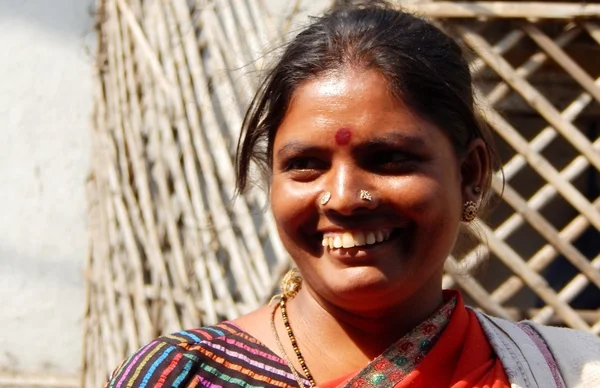
The COVID-19 pandemic reshaped lives across India. What began as temporary restrictions extended into prolonged lockdowns that severely disrupted employment and livelihoods.
While the medical sector remained active, almost every other profession faced unprecedented challenges. Businesses shut down. Companies reduced staff. Daily wage earners were initially the most affected, but soon the crisis expanded to include teachers, lawyers, engineers, private employees, and countless others.
According to reports by The Wire, nearly 230 million people fell below the poverty line due to COVID-19. The impact was not temporary. It was structural.
The Lockdown Employment Crisis in Maharashtra
In districts like Yavatmal, the lockdown employment crisis in Maharashtra created deep financial instability. The consequences included:
- Closure of small and medium enterprises
- Layoffs in private and cooperative sectors
- Exhausted savings among middle-class families
- Increased financial dependency
While government schemes and community support helped some families, the scale of the crisis was overwhelming. The number of people needing help far exceeded the number of people able to provide it.
The Silent Struggle of Self-Respecting Families
Among those affected was a particularly vulnerable group — self-respecting families who hesitate to ask for help. These are individuals who have never depended on charity and prefer silent endurance over public appeal.
As lockdowns extended beyond two years, many such families saw their financial reserves depleted. Those who asked for help often faced limited support. Those who could not ask suffered even more.
Shabdkruti Foundation’s Dignified Relief Approach
Recognizing this silent crisis, Shabdkruti Foundation launched a compassionate and discreet COVID relief initiative in Yavatmal under the leadership of Adv. Yogesh Chindaliya, Mrs. Rashmi Chindaliya, and Govinda Dhorke.
The foundation adopted a thoughtful strategy:
- Identifying families affected by job loss and business closures
- Personally reaching out to understand their situation
- Offering assistance discreetly
- Ensuring dignity and self-respect remain intact
The core principle was clear: Provide help without creating dependency or emotional burden.
Why Dignity-Centered Relief Matters
Relief is not only about financial assistance. It is about preserving human dignity. A dignified aid program prevents emotional distress, protects social identity, and encourages long-term resilience.
Shabdkruti Foundation ensured that support was provided in a manner that did not make recipients feel obligated or indebted. In times of crisis, respect is as important as resources.
Beyond Immediate Relief — A Long-Term Vision
While immediate assistance was critical, the foundation also recognized the need for sustainable livelihood support, skill development initiatives, and employment generation programs.
Frequently Asked Questions (FAQs)
It is a dignified relief program by Shabdkruti Foundation aimed at supporting families affected by lockdown-related job losses.
Self-respecting families who were financially impacted by the pandemic but hesitant to seek public assistance.
The foundation identified families discreetly and offered support while preserving their dignity and privacy.
Maintaining self-respect reduces emotional stress and ensures recipients do not feel dependent or obligated.
Yes, Shabdkruti Foundation continues to promote skill development and employment generation initiatives.
Compassion with Respect
Real support is not just about giving. It is about giving in a way that preserves pride, self-respect, and hope.