
The COVID-19 pandemic did not discriminate — it disrupted livelihoods across every sector of society. From small business owners and migrant workers to daily wage earners, millions were pushed into financial distress.
According to CMIE data, nearly 12.2 crore (122 million) people lost their jobs during the pandemic in India. Among the most affected were vulnerable women engaged in informal occupations in Wani, Maharashtra. With prolonged lockdowns and restrictions, their income sources collapsed, leaving them in extreme hardship.
Recognizing this crisis, a collective humanitarian effort was initiated to provide immediate relief.
Ration Kit Distribution in Wani – A Humanitarian Initiative
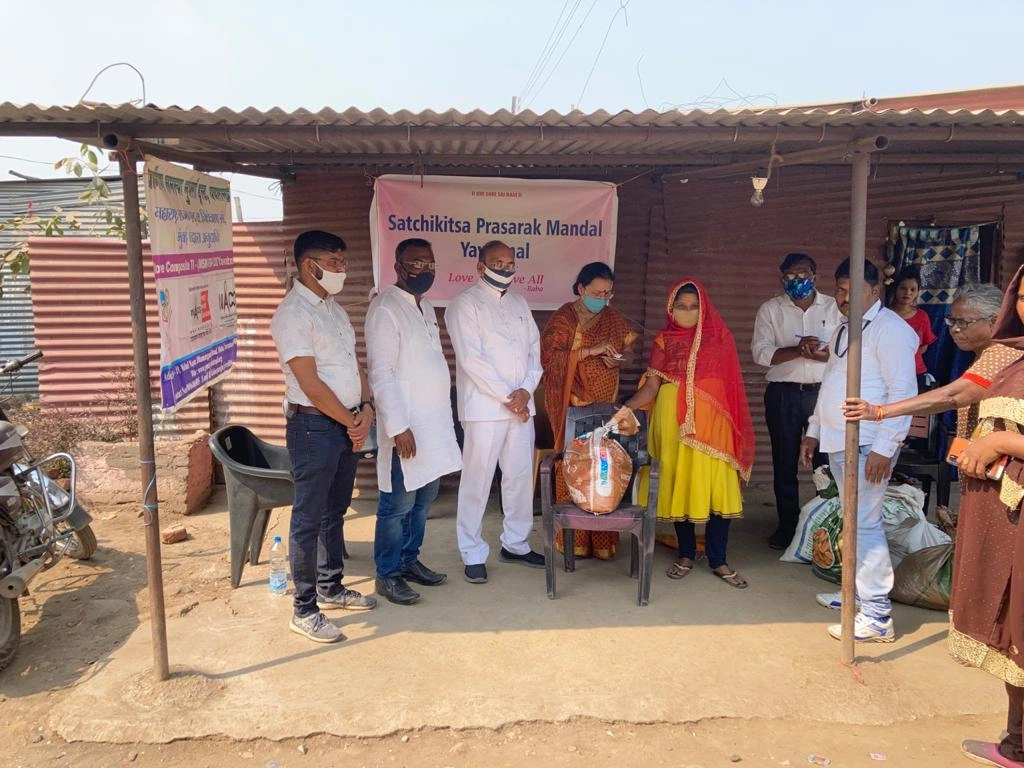
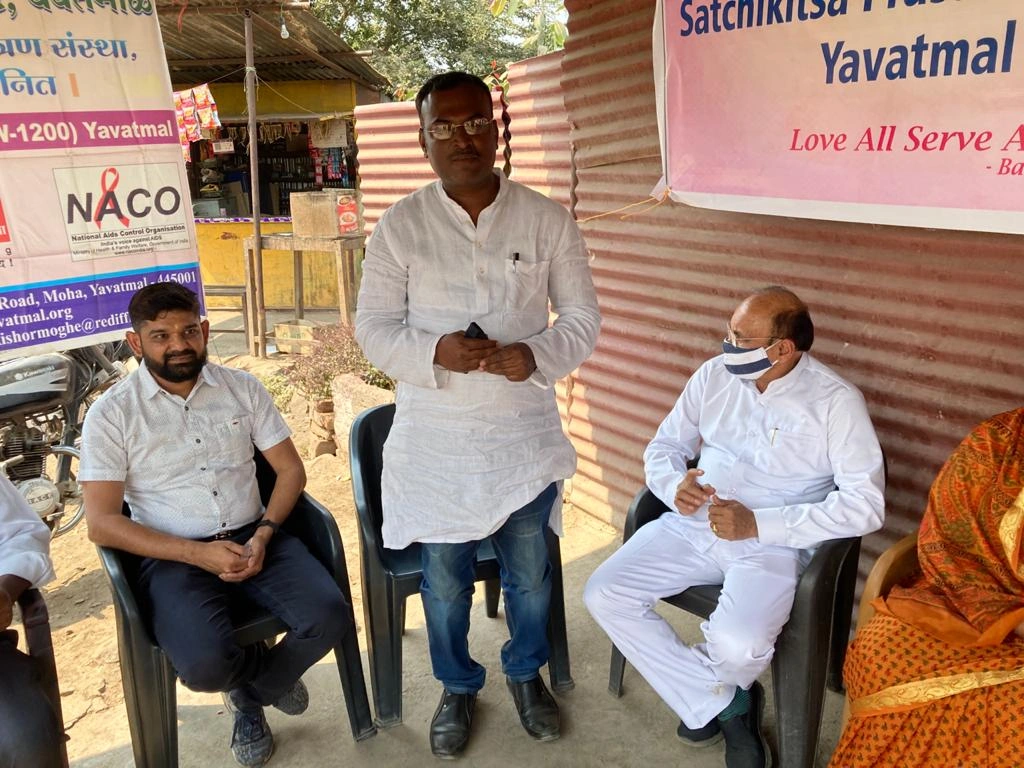
On February 14, 2021, Sat Chikitsak Prasarak Mandal, Yavatmal, in collaboration with Gramin Mukti Trust and Shabdkruti Foundation, organized a ration kit distribution drive in Wani.
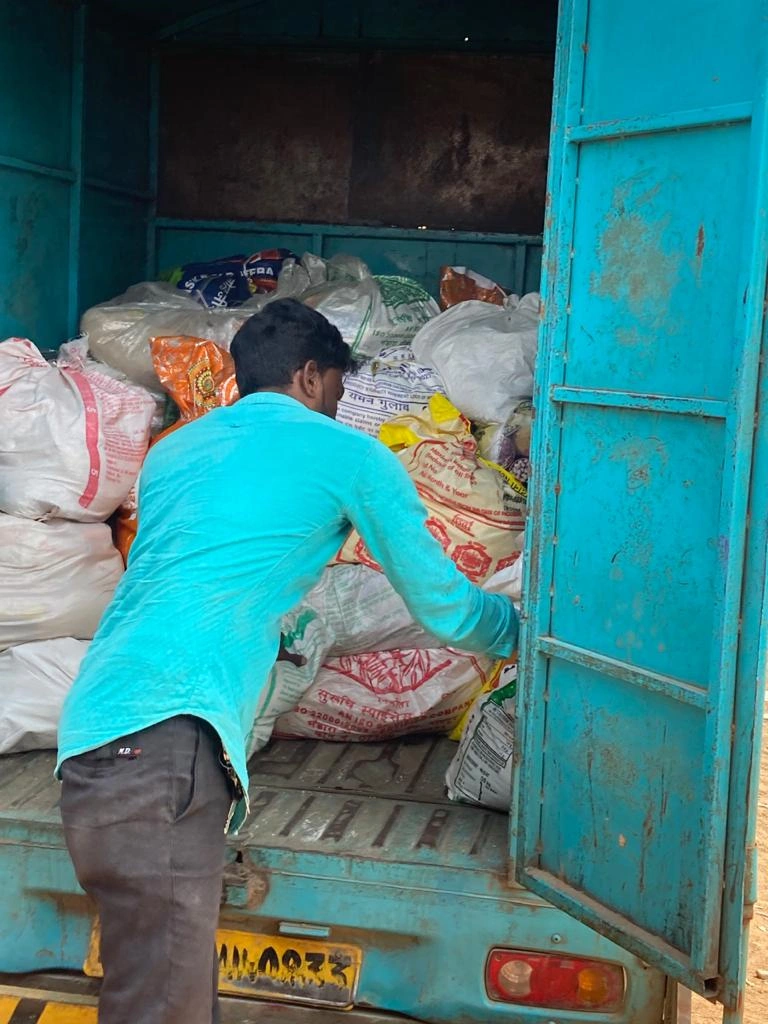
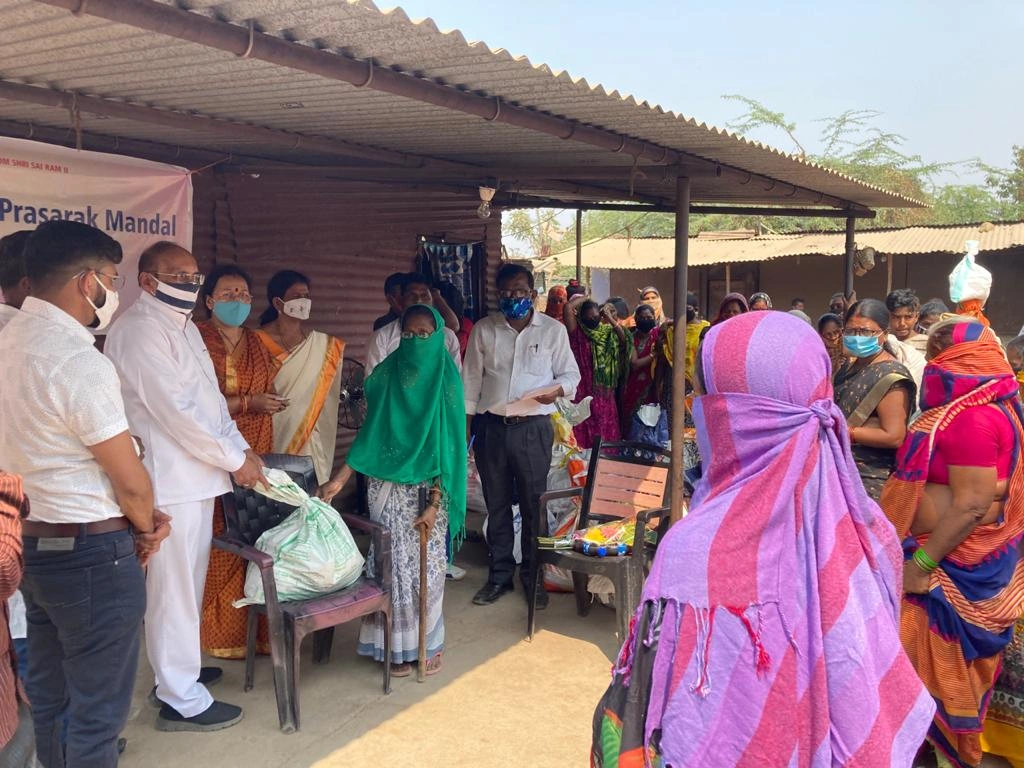
The initiative provided one-month ration kits to women whose livelihoods had been severely affected due to lockdown restrictions. The objective was clear: ensure food security, provide immediate relief, and preserve dignity during crisis.
Lockdown Impact on Informal Workers in Maharashtra
The pandemic had a devastating impact on informal workers across Maharashtra. The most affected groups included small traders, migrant laborers, daily wage workers, and women in informal employment sectors.
The economic shock was not temporary. For many, income sources remained disrupted for months, creating long-term instability. The women supported in this initiative had been silently enduring these losses, facing financial insecurity for several months.
A Collaborative NGO Relief Effort
This relief program was made possible through collaboration between Sat Chikitsak Prasarak Mandal, Gramin Mukti Trust, and Shabdkruti Foundation. The initiative was driven by a simple yet powerful belief: Human service is the highest duty.
Even during difficult times, these organizations prioritized humanitarian aid over all other concerns.
Leadership and Community Participation
The program was presided over by Mr. Prakashji Nandurkar, President of Sat Chikitsak Prasarak Mandal. Other dignitaries present included Mr. Mohanji Uike from Gramin Mukti Trust and Mr. Yogesh Chindaliya, Director of Shabdkruti Foundation.
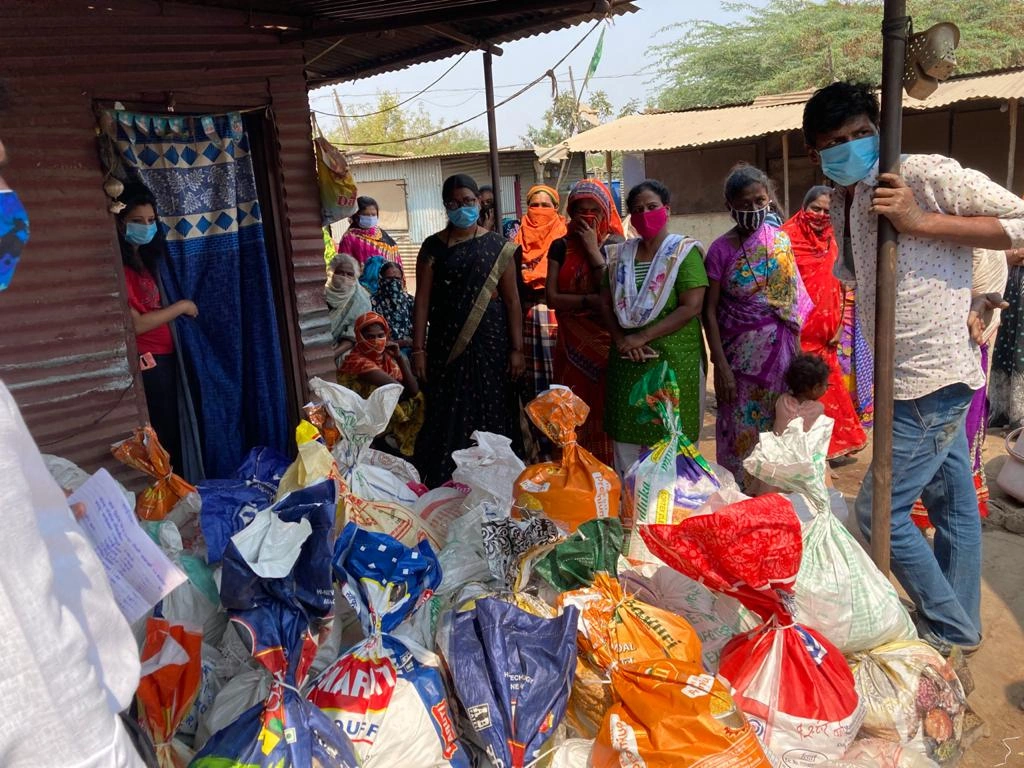
Their collective presence highlighted the importance of community-driven relief initiatives during crisis situations.
Why Dignified Relief Matters
Providing ration kits is more than distributing food supplies — it is restoring stability and reassurance. Dignity-centered humanitarian aid reduces immediate stress, protects vulnerable communities, and strengthens social solidarity.
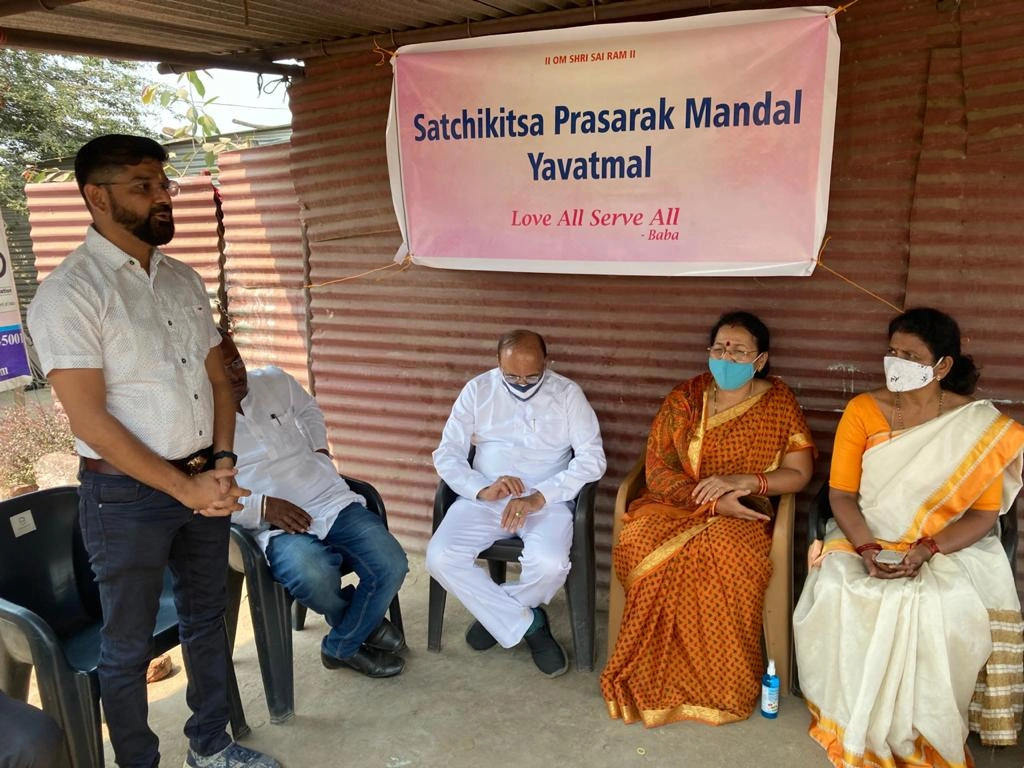
In crisis situations, food security becomes the first step toward recovery.
Frequently Asked Questions (FAQs)
The initiative aimed to provide one-month food supplies to vulnerable women affected by COVID-related job losses.
The program was organized by Sat Chikitsak Prasarak Mandal, Yavatmal in collaboration with Gramin Mukti Trust and Shabdkruti Foundation.
Lockdown restrictions caused widespread unemployment, particularly among informal workers, leading to food insecurity.
The relief drive was conducted in Wani, District Yavatmal, Maharashtra.
Service Above All
In the face of hardship, service becomes strength. Stand beside those in need and help us create a resilient community.