
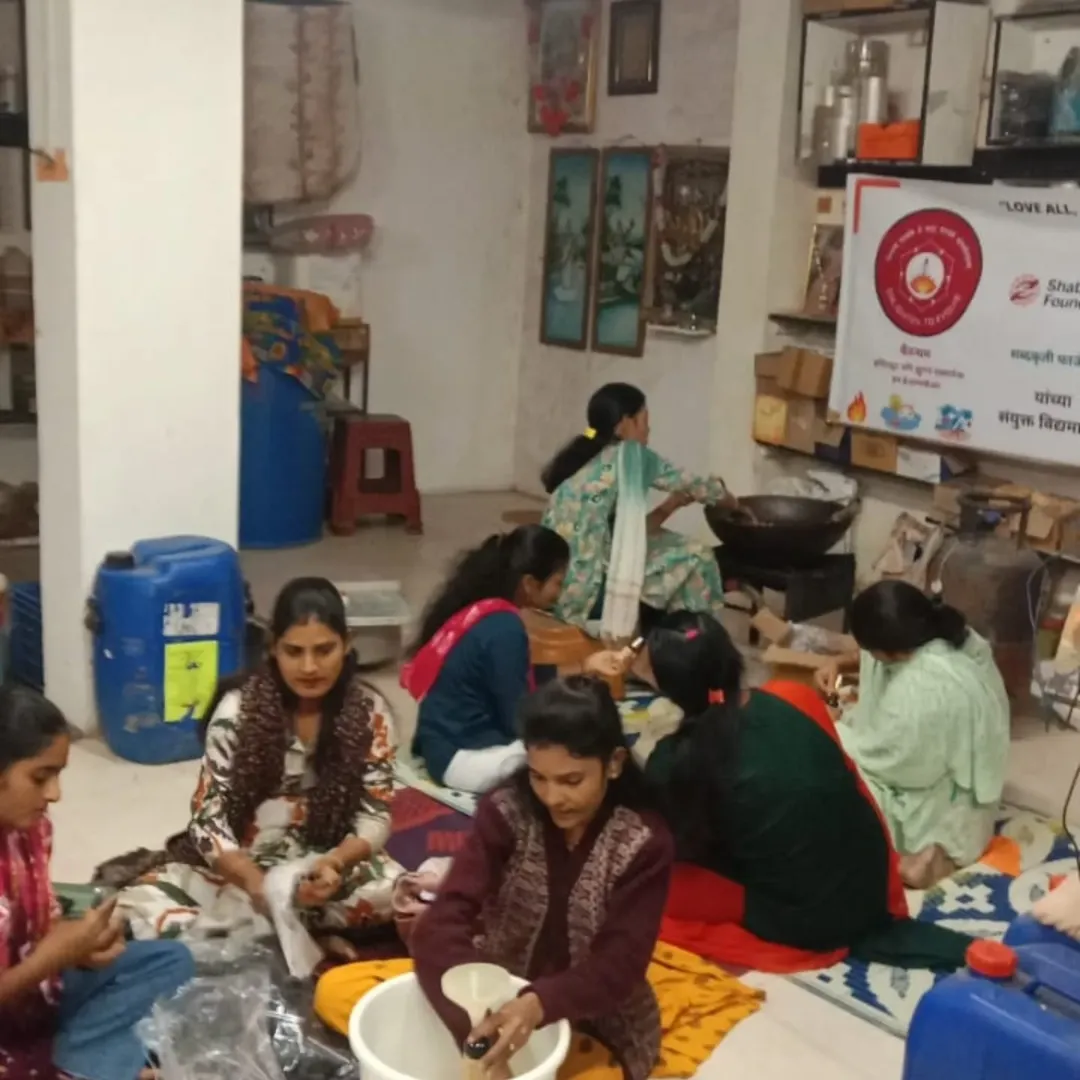
At Shabdkruti Foundation, empowerment is not just a concept — it is action in progress.
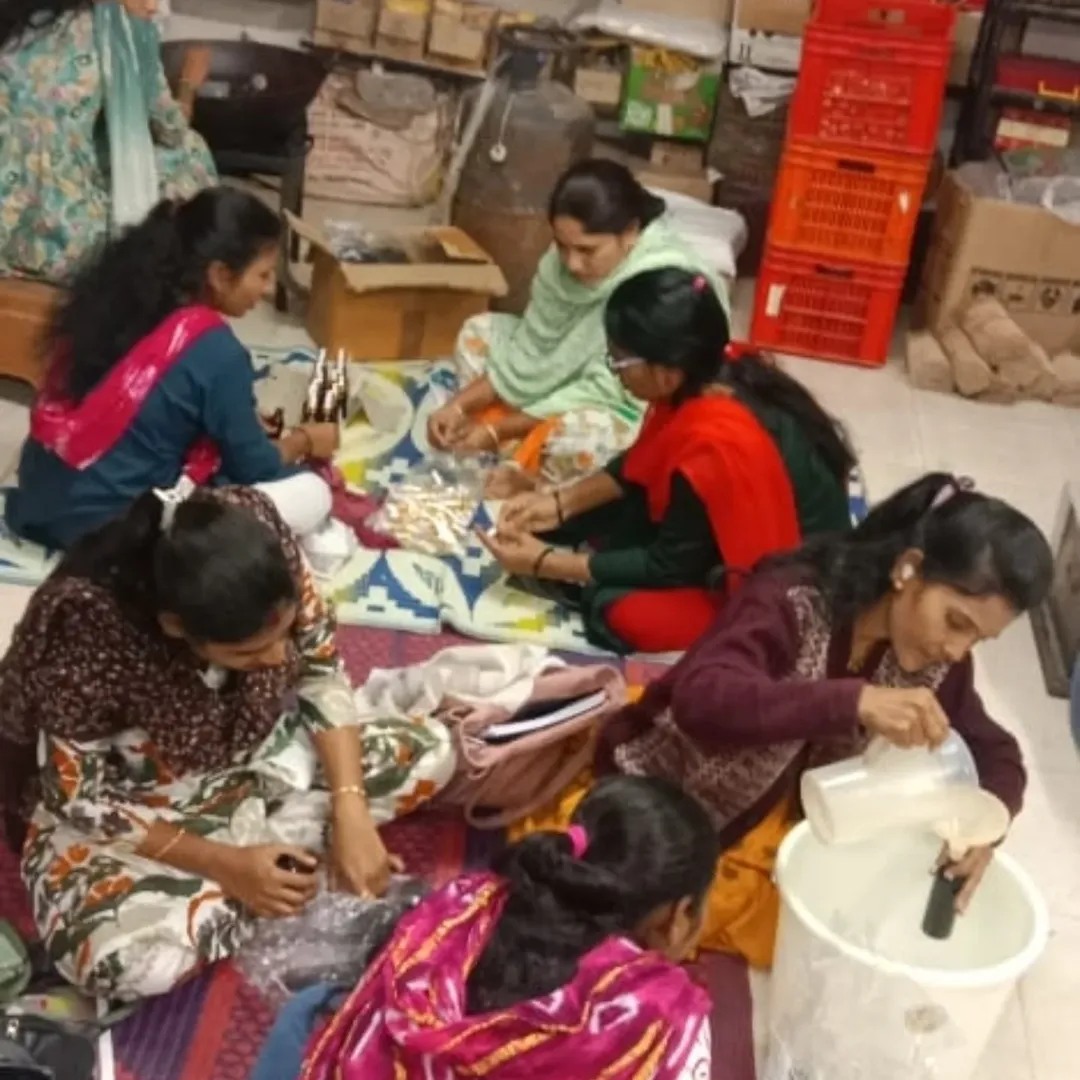
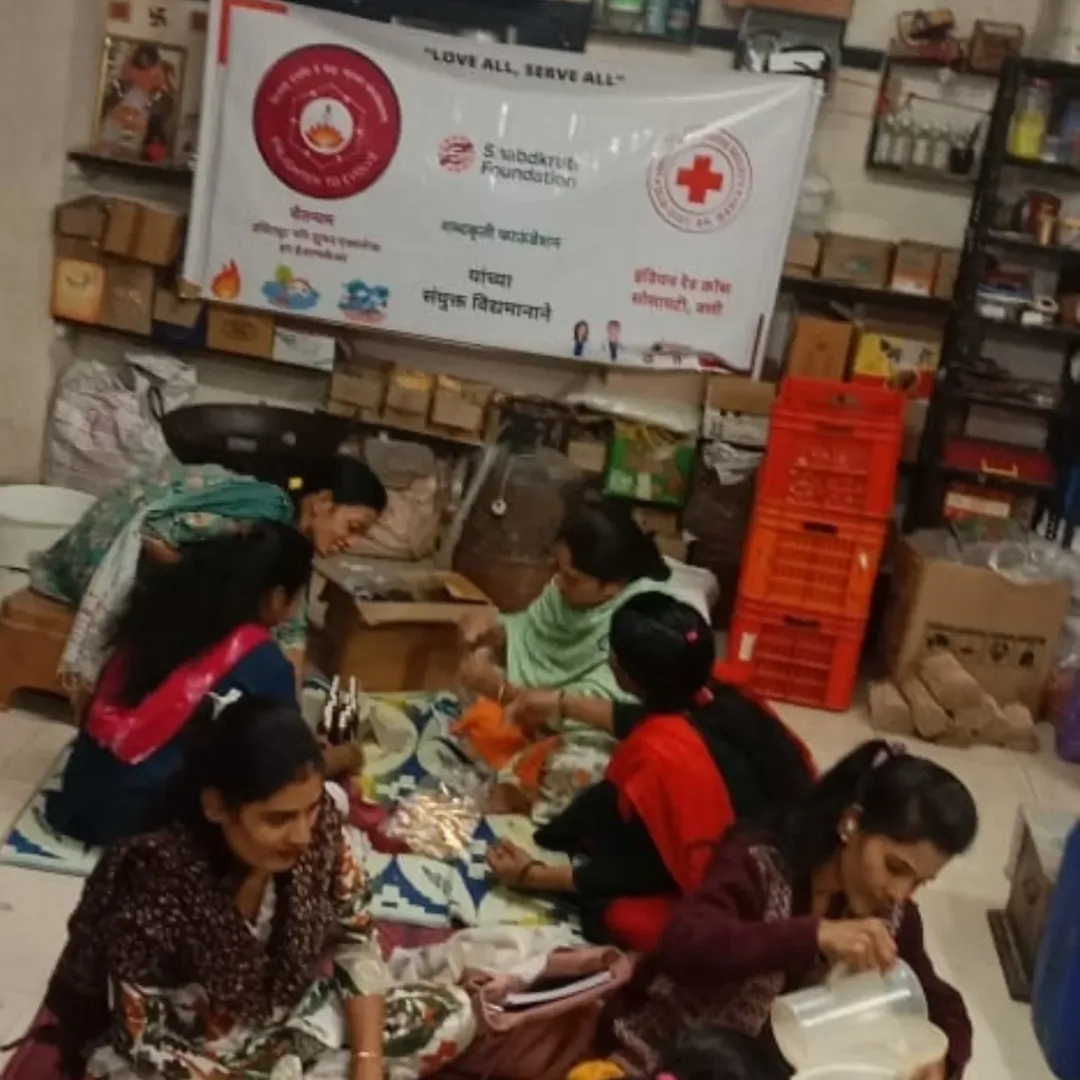
Through our Women Skill Development Program in Wani, we are helping women transform practical skills into sustainable income opportunities. The images and videos from this initiative reflect focus, resilience, and determination as participants engage in hands-on production training designed to build financial independence.
This rural women livelihood program aims to create long-term economic stability by equipping women with structured vocational skills and entrepreneurial awareness.
From Skill Training to Sustainable Income
Many women in rural and semi-urban Maharashtra possess talent and willingness to work but lack structured opportunities. Our NGO vocational training program bridges this gap.
During the session, women participated in:
- Practical production training
- Material preparation and quality control
- Packaging and finishing techniques
- Understanding small-scale business models
- Group-based collaborative production
This approach ensures participants gain not only technical skills but also the confidence to convert those skills into self-employment opportunities.
Why Women Skill Development Matters in Rural Maharashtra
A structured women empowerment NGO initiative can directly impact:
- Household income growth
- Reduction in financial dependency
- Increased confidence and decision-making power
- Development of local micro-enterprises
- Stronger community economies
When women earn, families stabilize. When families stabilize, communities grow stronger.
This women entrepreneurship support program is designed to create economic resilience rather than short-term assistance.
Practical, Hands-On Learning Environment
Unlike traditional classroom-based training, this program emphasized real-time participation.
Women worked together on production tasks, learning through practice. The collaborative setting encouraged peer learning, problem-solving, and shared accountability.
Even mothers balancing childcare responsibilities actively participated — reflecting the program’s inclusive and accessible design.
This practical learning environment ensures that participants can confidently replicate the process independently.
Creating Micro-Enterprise Opportunities in Wani
The goal of this micro-enterprise training in Wani is clear: enable women to start small, scalable income-generating activities from home or within group production units.
With proper guidance and structured workflow training, women can:
- Launch home-based production businesses
- Form self-help groups for collective enterprise
- Access local market opportunities
- Build sustainable income streams
Skill development becomes powerful only when it leads to economic independence.
Long-Term Impact of Women Empowerment Programs
Sustainable livelihood programs generate measurable outcomes:
- Increased financial literacy
- Higher participation in local economic activities
- Improved self-confidence among women
- Reduced dependency on daily wage labor
- Stronger social support networks
At Shabdkruti Foundation, our mission is not to create beneficiaries — it is to create independent earners and future entrepreneurs.
Frequently Asked Questions (FAQs)
It is a vocational training initiative by Shabdkruti Foundation aimed at empowering women through hands-on production skills and self-employment guidance.
Women from rural and semi-urban communities seeking livelihood opportunities can participate.
Yes. The initiative focuses on converting skills into micro-enterprises and sustainable income models.
By providing practical training and business awareness, women can generate independent income and contribute to household stability.
Building Independent Futures
The Women Skill Development Program in Wani represents more than vocational training. It represents economic transformation. Empowering women is not charity; it is sustainable development.